
What Does Medical Care Coordination Mean in Assisted Living?
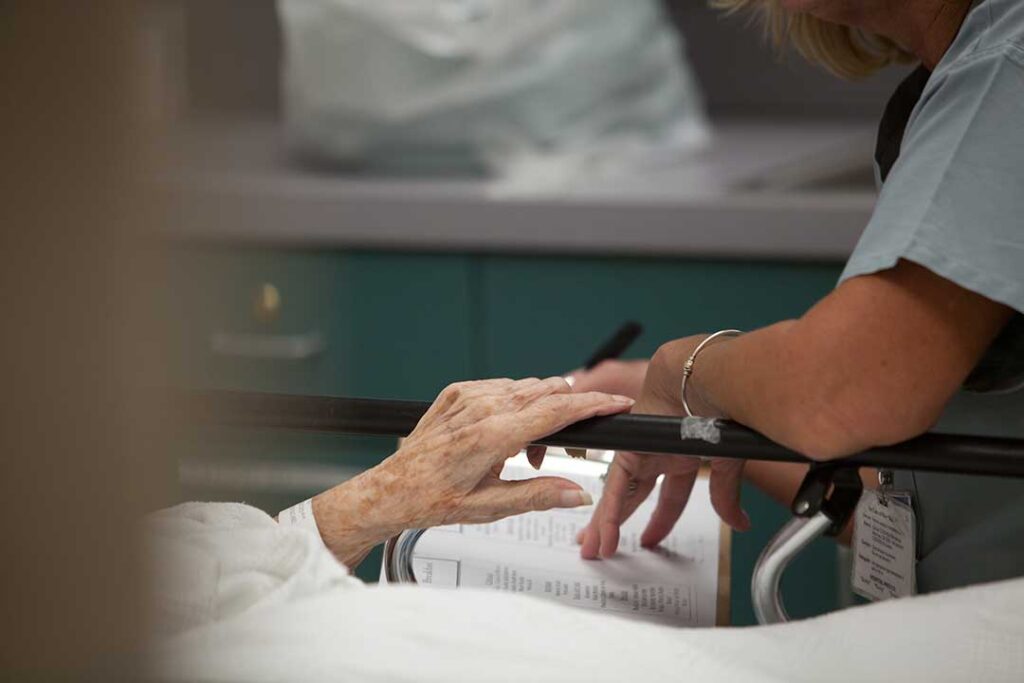
Medical care coordination in assisted living ensures that residents’ health needs are met through teamwork between caregivers, residents, families, and outside health professionals. This coordination allows older adults to enjoy support while staying as independent as possible.
In assisted living, daily support staff do not replace doctors or nurses but play a key role in monitoring wellness, organizing medications, and communicating changes in health status. Reliable medical care coordination helps residents manage complex health conditions common in older adulthood.
Who Manages Medical Care Needs for Residents?
Day-to-day health support and coordination in an assisted living setting typically involve several people:
- On-site caregivers and med techs assist with daily medications, track general health, and note any changes.
- Nurses (depending on regulations and facility staffing) may assess needs, develop care plans, or communicate with physicians as needed.
- Residents' primary care doctors and specialists remain central for diagnosing and prescribing.
- Family members are often involved in discussing goals, managing appointments, or supporting decisions.
- External providers, such as home health nurses or physical therapists, may visit to perform specific services.
The collaboration of these roles keeps health information organized, prevents missed medication doses, and ensures any new symptoms get timely attention.
How Are Medical Appointments and Follow-Ups Arranged?
Assisted living teams routinely help schedule and coordinate doctor’s appointments, therapy visits, and prescription renewals. If transportation is a concern, arrangements might be made for rides with family, community volunteers, or public service options, since personal vehicles may not always be available for residents.
After appointments, staff often review discharge instructions, note medication changes, and update care plans to match recommendations from health professionals. This helps ensure that any new treatments or adjustments are put into practice correctly at the residence.
What Role Do Medication Management Systems Play?
Organizing and administering medication is one of the most important aspects of care coordination in assisted living. Staff use secure storage and tracking methods, and closely monitor for side effects or missed doses. Common practices include:
- Maintaining a daily medication log for each resident
- Using pre-filled pill organizers or electronic dispensing systems
- Double-checking new prescriptions with a nurse or pharmacist when needed
- Communicating with doctors if problems or adverse reactions occur
In regions like Union City, where weather or distance can sometimes affect pharmacy access, reliable medication management helps prevent avoidable health issues in older adults.
How Are Health Emergencies and Changes Handled?
If a resident’s health status changes unexpectedly—such as a fall, sudden illness, or significant change in alertness—assisted living teams follow clear protocols. They may call emergency services, notify family members, and document events for the medical record.
Staff are trained to report non-emergency but concerning symptoms to supervisory nurses or local physicians. Quick action can help prevent minor issues from becoming serious.
Area households sometimes worry about how fast help will arrive. In practice, having staff on-hand makes response times faster compared to unsupervised living, and local emergency services are generally familiar with community needs.
How Is Communication Managed Between Families, Staff, and Doctors?
Clear, regular communication is the foundation of medical care coordination. Most assisted living settings offer:
- Scheduled care conferences with staff, residents, and family members
- Written updates, call logs, or care notes summarizing significant events
- Permission forms for staff to share health updates with doctors or relatives
This communication ensures that everyone understands a resident’s needs, preferences, and any changes in health status. It also prevents misunderstandings about medications, appointments, or follow-up instructions.
What Limitations Should Residents and Families Understand?

Some common misconceptions about medical care in assisted living include the belief that all locations offer 24/7 nursing or direct medical treatment. In most cases, staff are trained for daily assistance and spotting problems, not for managing advanced medical conditions onsite.
Key factors for residents and families to keep in mind:
- Residents continue to rely on their own doctors for diagnosis and prescriptions.
- Assisted living does not replace hospital or skilled nursing care when higher medical needs arise.
- State regulations may affect the types of treatments or medications staff can provide.
Understanding these boundaries helps set realistic expectations and encourages families to maintain active involvement in their loved one’s medical planning.
How Does Care Coordination Adapt to Seasons or Local Factors?
Residents of Union City sometimes face unique challenges in winter months, such as mobility on icy walkways or delays in outside appointments due to snow. Staff may need to:
- Reschedule non-urgent appointments during weather disruptions
- Monitor residents more closely for fall risks in cold, slippery conditions
- Consult pharmacy delivery services if supplies or new prescriptions are delayed
Planning for seasonal issues is an essential part of keeping care coordinated and avoiding disruptions to medication or medical visits, especially in more rural or small-town settings.
What Can Residents Do to Support Their Own Care Coordination?
Active participation by residents and families can improve the success of coordinated care in assisted living. Helpful steps include:
- Sharing up-to-date medication lists with staff
- Reporting any side effects or new symptoms immediately
- Keeping contact information for all doctors easily accessible
- Attending care plan meetings or conferences when possible
- Requesting written summaries of any health changes or doctor’s orders
Direct involvement makes it simpler for staff to provide safe, respectful, and effective support in daily life.
