
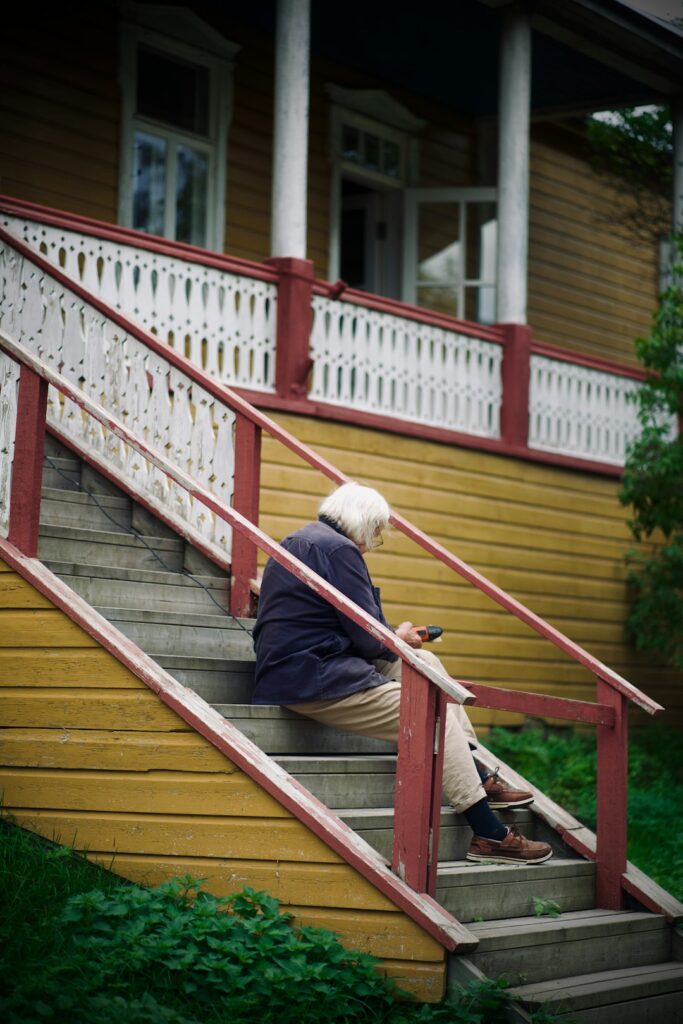
What does assisted living help with?
Assisted living is generally intended for older adults who can no longer manage some daily tasks safely but do not need the continuous medical care provided in a nursing home. Support may include meals, housekeeping, medication reminders, personal care, transportation, and help with mobility.
The decision is not based on age alone. A person may remain comfortable at home with a few adjustments, while another may need more consistent support because of falls, memory changes, or difficulty with personal care.
For families in Union City, PA, seasonal conditions can make existing problems more noticeable. Snow, ice, shorter winter days, and reduced outdoor activity may increase fall risks or make it harder for an older adult living alone to obtain groceries, attend appointments, or keep up with household tasks.
Which changes suggest that an older adult needs more help?
The clearest warning signs involve a pattern of decline rather than one isolated mistake. Look for changes in safety, hygiene, nutrition, mobility, memory, and the ability to manage everyday responsibilities.
Possible signs include:
- Unopened mail, unpaid bills, or confusion about finances
- Spoiled food, empty cupboards, or meals being skipped
- Difficulty keeping the home reasonably clean
- Wearing the same clothing repeatedly or neglecting bathing
- Missed medications, duplicate doses, or confusion about prescriptions
- Increasing difficulty using stairs, getting out of a chair, or walking safely
- Repeated falls, near-falls, or unexplained bruises
- Losing weight without trying
- Leaving appliances on or forgetting to lock doors
- Getting lost while driving or becoming confused in familiar places
- Withdrawing from friends, family, hobbies, or regular activities
These changes do not automatically mean assisted living is necessary. They do indicate that the current arrangement should be reviewed.
How can you tell if personal care has become unsafe?
Difficulty with activities of daily living is one of the most meaningful indicators that additional support may be needed. These activities include bathing, dressing, grooming, toileting, eating, and moving from one position to another.
An older adult may need more help if they:
- Avoid bathing because of fear of falling
- Cannot safely step into or out of a tub or shower
- Need furniture or walls for support while walking
- Struggle to fasten clothing or choose suitable clothing for the weather
- Have trouble preparing food, chewing, or eating enough
- Cannot reliably use the bathroom without assistance
- Remain in bed or a chair because standing has become difficult
A person may hide these problems out of embarrassment. Look for indirect clues, such as a new fear of showering, unexplained dehydration, soiled clothing, or increased dependence on a family member during short visits.
Are falls a sign that assisted living is needed?
A fall is a warning sign, especially if it happens more than once or leaves the person afraid to move around. Falls may result from poor balance, vision changes, medication side effects, weakness, unsafe flooring, clutter, or difficulty using stairs.
A single fall does not determine the right living arrangement. However, repeated falls, a fall that causes injury, or a situation in which the person cannot get up without help requires prompt attention.
The home should be reviewed for hazards such as loose rugs, poor lighting, narrow walkways, missing handrails, and slippery bathroom surfaces. In Union City, winter footwear, tracked-in moisture, icy walkways, and limited daylight may add to the risk during colder months.
Sudden confusion, severe weakness, trouble speaking, chest pain, or a possible head injury after a fall requires emergency medical attention rather than a routine discussion about housing.
What memory changes should families take seriously?
Occasional forgetfulness can happen with aging, but significant changes in judgment, safety awareness, or personality deserve attention. Concerning examples include leaving water running, taking medication incorrectly, repeatedly getting lost, being unable to explain where they have been, or making unsafe financial decisions.
Memory problems may have causes that can be treated or improved, including medication effects, infection, dehydration, sleep problems, depression, hearing loss, or vision changes. A medical evaluation should come before assuming that dementia or assisted living is the only explanation.
The more useful question is not simply, “Are they forgetful?” Ask whether memory changes are interfering with safe daily life.
How does isolation affect the decision?
Loneliness alone does not mean a person needs assisted living. However, isolation can become a serious concern when it occurs alongside poor nutrition, depression, missed medications, or reduced mobility.
Warning signs may include:
- Rarely leaving the home
- Stopping activities that once brought enjoyment
- Refusing or forgetting regular phone calls
- Becoming anxious about being alone
- Relying on one exhausted family member for all social contact
- Showing little awareness of emergencies or unsafe situations

A more social living environment may help some people, but families should first consider whether transportation, regular visits, meals, home modifications, or daytime support could address the problem.
How can family caregivers recognize that the current arrangement is failing?
Sometimes the strongest warning sign is not a change in the older adult but a change in the caregiver’s ability to continue.
The arrangement may no longer be sustainable when family members are:
- Missing work or sleep regularly to provide care
- Managing medications from a distance with frequent mistakes
- Providing lifting or bathing assistance they cannot safely perform
- Arguing repeatedly with the older adult about basic care
- Feeling constantly anxious about what may happen between visits
- Unable to respond quickly during emergencies
- Providing more care than one person can reasonably manage
Caregiver exhaustion can affect everyone’s safety. A plan that depends on one relative making frequent trips across the area may become unreliable during winter weather, illness, or schedule changes.
What should families do before deciding on assisted living?
Begin with a written picture of what is happening. Record falls, missed medications, changes in eating, unsafe behaviors, help needed with bathing or dressing, and how often assistance is required.
Then consider whether the problem is:
- New and potentially treatable
- Occasional and manageable with home changes
- Happening daily
- Becoming worse over time
- Unsafe when no one is present
Discuss the situation directly with the older adult when possible. Ask what feels difficult, what kind of help would feel acceptable, and what they value most about staying at home.
The next step may be a medical review, medication check, home safety assessment, family care schedule, or comparison of different housing and support options. Assisted living is one possibility, not an automatic answer. Some people need limited help at home, while others need a setting with dependable assistance throughout the day.
A decision is more likely to fit when it is based on actual daily needs, personal preferences, safety, health conditions, available family support, and the amount of supervision required.
When is immediate help necessary?
Do not wait for a housing decision if there is an urgent safety concern. Seek immediate assistance for signs of stroke, severe breathing difficulty, chest pain, serious injury, sudden severe confusion, suspected poisoning, or statements about wanting to die.
For non-emergency concerns, a prompt medical evaluation is appropriate after repeated falls, rapid weight loss, sudden personality changes, medication errors, or a noticeable decline in walking or self-care.
The goal is not to label a loved one as incapable. It is to recognize when the support needed for safe, dignified daily life has grown beyond what the current home and family routine can reliably provide.
